


 BUDGETS
 ACCESS TO YOUR TESTS
 MY RESULTS
 PROFESSIONAL ACCESS

September marks the end of summer and the return to the work routine. This change is not only mental: our body also perceives it and responds to it. Returning to work usually means fewer hours of rest, more responsibilities, some social pressure and, in many cases, a significant increase in stress. All of this directly impacts our metabolism, digestive system, and hormonal balance.
Post-vacation syndrome is more than a passing discomfort. Stress and cortisol play a key role, and knowing how they affect your body is the first step to taking care of your health.
Why does stress increase IN September?
The return to routine brings with it rigid schedules, social pressure, fast food, less physical activity, and insufficient rest. These factors can cause alterations in glucose and insulin, nutritional deficiencies, chronic fatigue, and changes in mood.
If you notice unexplained tiredness, irritability, or lack of concentration, your body may be reacting more deeply than you think.
Stress and Cortisol: the Role of Hormones in your Body
When we experience stressful situations, the HPA axis (hypothalamic-pituitary-adrenal) is activated. If this stimulus is prolonged, the system can become unbalanced and generate:
Elevated or Inverted Cortisol
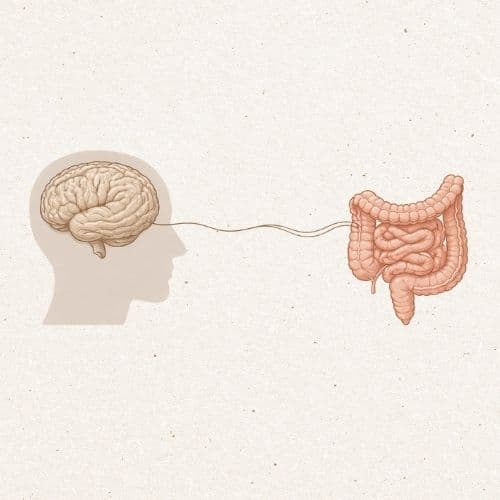
Cortisol is the main hormone associated with stress, essential to keep us active and alert. An excess of cortisol or an abrupt drop can affect sleep, fat and carbohydrate metabolism (favoring the increase of abdominal fat), the immune system, and intestinal health.
Low DHEA
Dehydroepiandrosterone (DHEA) is another hormone that helps regulate stress. Reduced levels of this hormone can be associated with fatigue and lack of vitality.
Altered Neurotransmitters
Dopamine and serotonin are key neurotransmitters for emotional well-being. In stressful situations, these can become unbalanced and cause changes in mood, motivation, and concentration.
Chronic Low-Grade Inflammation
Sustained stress contributes to an inflammatory state that affects physical and mental health.
How to Reduce the Impact of Stress when Returning to Work
To mitigate the impact of returning to routine, it is essential to adopt habits that favor adaptation:
- Gradual return-to-work routines: Don’t try to return to normal immediately. Allow yourself an adaptation period, organizing your return to work gradually.
- Sleep hygiene: Prioritize good rest. Establish regular sleep schedules, create a calm and relaxing environment, and avoid technology before bed.
- Balanced diet: rich in fiber, quality proteins, and key micronutrients.
- Moderate physical activity: ideal for reducing cortisol and improving insulin sensitivity.
- Stress management: breathing techniques, mindfulness, or yoga can be a great support.
Laboratory tests to evaluate your body
If you want to know how your body is responding to stress, there are specific laboratory tests that offer valuable information. At Teletest, we have specific tests to evaluate how the body is responding to this new context:
😰Salivary Cortisol Test
It allows knowing the circadian rhythms of cortisol, the key stress hormone.
🦠Intestinal Dysbiosis Test
Key to assess the balance of the immune system and its regulation of mood.
🧠Metabolic and Neurotransmitter Analysis
They include glucose, insulin, lipid profile, essential vitamins and minerals, to correlate energy, motivation, and well-being with the neurochemical state.
These analyses offer valuable information to personalize health strategies: from nutritional guidelines to specific supplementation or lifestyle changes that really make a difference.
👉 Returning to work can be a challenge, but also an opportunity to listen to our body and take care of our health in a comprehensive way. In our laboratory, we help you understand how your body is doing in order to design a personalized plan to take care of it. Don’t let stress become an obstacle to your well-being.