



 BUDGETS
 ACCESS TO YOUR TESTS
 MY RESULTS
 PROFESSIONAL ACCESS
Endometrial Dysbiosis
Endometrial dysbiosis is an imbalance in the composition of the microbiota present in the endometrium, the inner lining of the uterus. This imbalance can negatively affect the health and function of the endometrium and has been associated with various reproductive and gynecological complications.
Under normal conditions, the endometrial microbiota plays a key role in maintaining immune balance, protecting against pathogens, and preparing the endometrium for implantation and pregnancy. However, when dysbiosis occurs, this balance is disrupted, which can lead to inflammation, alterations in the immune response, and changes in the endometrial tissue. These changes can have significant clinical repercussions, including:
- Infertility: Endometrial dysbiosis can interfere with proper embryo implantation and affect early pregnancy development.
- Pelvic Inflammatory Disease (PID): An imbalance in the microbiota can promote the proliferation of pathogens, contributing to the development of PID.
- Chronic endometritis: Persistent inflammation of the endometrium is often associated with microbial imbalance.
- Alterations in the results of assisted reproduction treatments: The quality of the endometrial environment is crucial for the success of techniques such as in vitro fertilization (IVF), and dysbiosis can compromise the results of these procedures.
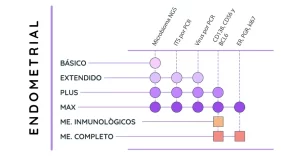
Endometrial Dysbiosis by NGS. BASIC
Endometrial Dysbiosis by NGS. BASIC
278,10 €- We provide customized quotes. Contact us at laboratory@teletest.es
- You can download or view your reports in the ‘Results’ section
- If you have any questions, please see our ‘Frequently Asked Questions’ section