


 BUDGETS
 ACCESS TO YOUR TESTS
 MY RESULTS
 PROFESSIONAL ACCESS

The Christmas holidays usually involve significant changes in our habits: larger meals, increased alcohol consumption, fewer hours of sleep, and increased physical and emotional stress. All of this puts extra strain on the body, especially the digestive, metabolic, and immune systems.
Maintaining balance during these weeks does not mean strictly avoiding excesses, but understanding how the body responds and acting preventively to minimize its impact on health.
Rest: a key factor for metabolic balance
Sleeping fewer hours or continuously altering sleep schedules directly affects hormonal regulation. Lack of sleep is associated with poorer glucose control, increased low-grade inflammation, and a reduced ability of the body to recover.
During the holidays, respecting a minimum number of hours of sleep and maintaining some regularity in schedules helps the body better manage dietary changes and increased social stimuli.
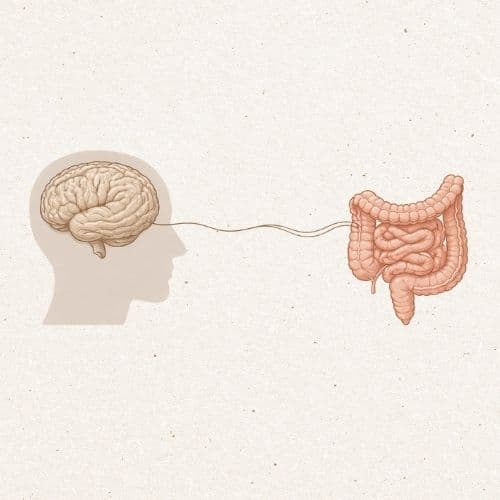
Food and digestion: take care of your digestive system
The increase in fats, sugars, and alcohol can alter digestive function and the balance of the intestinal microbiota. When the digestive system is overloaded, it is common to notice bloating, heavy digestions, gas, or changes in intestinal transit.
To reduce this impact, it is advisable to:
- Prioritize vegetables, fruits, and foods rich in fiber.
- Avoid chaining several large meals together.
- Maintain a varied diet even on holidays.
A balanced intestinal microbiota contributes to better digestion and a more efficient immune response.
Alcohol and hydration: hepatic and metabolic balance
Alcohol consumption increases oxidative stress and requires a greater effort from the liver. In addition, it promotes dehydration and can intensify the feeling of fatigue in the following days.
Maintaining adequate hydration and alternating alcoholic beverages with water is a simple but effective measure to protect metabolic balance during celebrations.
Listen to your body’s signals
In the daily practice of clinical analysis laboratories, it is common to observe that many imbalances develop before obvious symptoms appear. Some frequent warning signs after periods of excesses are:
- Persistent tiredness or feeling of not recovering energy.
- Very slow digestions, intense bloating, or striking changes in transit.
- Difficulty concentrating or mood alterations.
These manifestations may indicate that the body is compensating for overexertion and needs adjustments in habits or a review of its physiological state.
The importance of knowing your health parameters
Beyond subjective sensations, knowing your analytical parameters allows you to obtain an objective view of the state of your body. Markers related to inflammation, digestive function, metabolism, or microbial balance can help identify imbalances early and guide personalized prevention strategies. In this sense, having reliable information through clinical analyses allows you to make more informed decisions adapted to each individual situation.
In summary, enjoying the holidays and taking care of your health are not opposing concepts. Maintaining a balance between rest, diet, hydration, and self-care reduces the impact of excesses and allows you to start the new year in better condition.