


 BUDGETS
 ACCESS TO YOUR TESTS
 MY RESULTS
 PROFESSIONAL ACCESS

Intestinal Microbiota: your Ally in Digestive Health
The intestinal microbiota is the collection of bacteria, viruses, fungi, and other microorganisms that primarily inhabit the colon. It consists of more than 100 trillion microorganisms that together weigh approximately 1.5 kg. Its composition is unique to each person—something like an “intestinal fingerprint”—and it performs essential functions for our health:
- Digestion and nutrient absorption: They break down fibers and resistant starches, producing short-chain fatty acids (SCFAs) such as butyrate, which is vital for the health of the intestinal mucosa.
- Reinforcement of the immune system: They train and regulate the defensive response, preventing both infections and excessive inflammatory reactions.
- Regulation of metabolism: They influence weight control, glucose balance, and fat utilization.
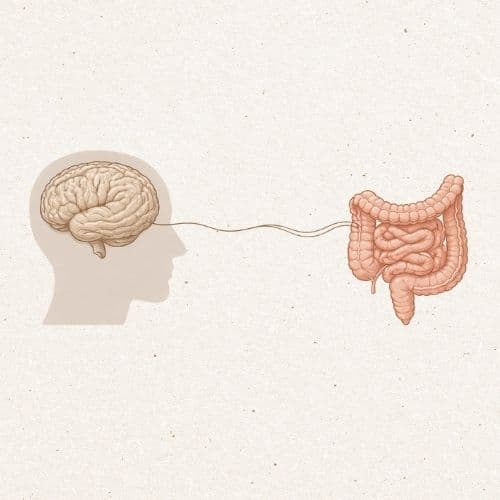
- Mental health and the gut-brain axis: They produce neurotransmitters such as serotonin and modulate the response to stress.
This internal ecosystem is very sensitive to changes in diet, environment, rest, and stress, factors that are often altered during vacations. Excess sugars, fried foods, alcohol, reduced fiber, schedule changes,
How to detect an intestinal imbalance?
If you notice any of these symptoms upon returning from vacation, your microbiota may be unbalanced:
- Abdominal bloating and gas.
- Heavy or slow digestion.
- Alterations in intestinal rhythm (constipation or diarrhea).
- Bad breath.
- Fatigue or lack of concentration.
At Teletest, we offer complete intestinal microbiota studies with the most advanced technology. Through a stool analysis, we perform an intestinal dysbiosis study* indicated for:
- Evaluation of the functionality of the microbiome and its balance.
- Diagnosis, treatment, and monitoring of digestive pathologies such as Inflammatory Bowel Diseases (Ulcerative Colitis, Crohn’s Disease), Irritable Bowel Syndrome, or SIBO.
- Assessment of chronic digestive symptoms: diarrhea, constipation, heartburn, reflux, gas, or poor digestion.
- Detection of the relationship between microbiota and cutaneous alterations: dermatitis, eczema, psoriasis, among others.
- Identification of food sensitivities, intestinal parasites, and viruses associated with digestive pathology.
- Correlation of the composition of the microbiota with neurological disorders such as anxiety, stress, depression, or ASD.
- Evaluation of biliary function and its biotransformation.
- Measurement of the degree of exposure or toxicity from metals and minerals.
*The results require personalized interpretation by a healthcare professional, which is essential to establish an effective treatment plan.
A precise analysis not only shows which bacteria are present, but also their proportion and their relationship with the patient’s clinical status. An unbalanced microbiota can be related to metabolic, inflammatory, autoimmune diseases, and even mood disorders.
How to Restore the Intestinal Microbiota?
Intestinal restoration should be personalized, as each microbiome is unique. In general, the following is recommended:
- Increase the consumption of fiber, fresh vegetables, and fermented foods.
- Introduce specific probiotics and prebiotics according to the analysis results (always with professional supervision).
- Reduce sugars, alcohol, and ultra-processed foods.
- Maintain adequate hydration and regular rest.
In cases of severe dysbiosis, the intervention may include more advanced protocols, combining supplements, therapeutic diet, and measures to improve the integrity of the intestinal mucosa.
Prevention to Care for it all Year Round
Intestinal health is not only cared for after a problem or discomfort: prevention is key. To maintain a balanced microbiota throughout the year, the following is recommended:
- Control stress and sleep well.
- Practice moderate physical exercise.
- Perform an annual microbiota check-up if you have recurrent symptoms or risk factors
The combination of cutting-edge diagnostic technology and expert interpretation makes it possible to offer a comprehensive approach to intestinal health care. Because taking care of the microbiota is not just about improving digestion: it is about investing in your overall health, from the immune system to mental well-being.